Tampilkan postingan dengan label food. Tampilkan semua postingan

How to Fade A Lure when training with food


1 Get RID of the lure as soon as you can! The goal is within 3 trials. 

2 If you dont have a clicker use a very short word like "yes!" or "yep!" 

3 Always make it harder and harder, dont get stuck at the same level of criteria

4 If you go to far to quickly you can always go back a step

5 If your dog is not following the lure, get a smellier lure- real meat!
Read More..

Mice Clicker Food Cool!!!

Read More..

Do protein levels in dog food matter

Like everything else in the dog behavior world the answer is, well that depends. Ive been searching for a while for information regarding protein levels in dog food affecting behavior. I knew I had heard about a possible link to high protein causing or exacerbating problems like aggression and hyperactivity but I couldnt put my finger on where the info came from originally. (Though I am quite sure Dr. Dodman had spoken about the subject at the seminar I attended.) I did some internet searching here and there but nothing came back that answered my questions specifically. (Many veterinary sites are private which didnt help.)

Fast forward to a discussion with a dog food rep recently and I asked her if she had heard about the possible aggression link. She said she had some info she could send me. Well it arrived today so I am going to type out the part of the report that deals with the protein level question. This is the closest I have come to the information I was looking for. It is long because I am including the whole section because there is other info included that I found relevant to dog training as well. The references are listed in the article and included at the end of the article. I highlighted a couple tidbits I found interesting.

This is an excerpt from "Dietary effects on canine and feline behavior" by Katherine A. Houpt, VMD, PhD and Steven Zicker, DVM, PhD. (Taken from The Veterinary Clinics Small Animal Practice book 2003)

Effect on canine aggression:

An interesting effect of food on behavior is the motivation of dogs for different foods. A hierarchy can be constructed based on the frequency with which dogs display aggression over a particular food. Most dogs aggressively defend rawhides. Next in attraction is any human food, bones, and toys. A few dogs guard their ordinary ration of food, and fewer still protect their water dish. (Fig. 1) From the blog author: Figure 1 is a bar graph showing the percentage of dogs that guard, to the resources listed with the highest bar at Rawhide, table, bone, toy, biscuit, dog food, and water in descending order. Table equaled human food.

A standard instruction to owners of aggressive dogs is to obtain dominance over the dogs by eating before the dog is fed. Forcing the dog to wait to be fed results in more food begging and general unruliness at dinnertime. Furthermore, it seems highly unlikely that the dogs equate the people seated at the table eating salad with a fork and drinking wine from a glass with a pack of dogs vying for a bite from a carcass. In fact, Jagoe and Serpell [14] found that dogs that were fed after their owners were more likely to be aggressive to strangers.

There have been two studies directly testing the hypothesis that higher protein diets lead to aggression. The first compared scores for two types of aggression and hyperactivity. The types of aggression were territorial and dominance. Owners scored the dogs on a 10-point scale, where 0 was no aggression and 10 was uncontrollable aggression when strangers entered the house (territorial) or when the dog bit, lunged at, or chased family members, becoming worse with disciplined (dominance) in many circumstances.

The diets were 10%, 25%, and 32% protein, which corresponds to 2, 3, or 4 g of protein per kilogram of body weight, and were fed for 2 weeks. Fat was substituted for protein in the lower protein diets. There was no significant effect on dominance aggression and a trend toward decreased aggression when the dogs were fed the higher protein diet. Aggression toward strangers was significantly greater when the dogs were fed the higher protein diet. Within that group were dogs that were offensively aggressive and dogs that were defensively (or fearful) aggressive. The fearful dogs improved most when fed the lower protein diets. Control dogs were scored for the same behavior and showed no change in score with diet. [15]

(Sidebar by blog author: True dominance aggression tends to be directed towards the owners and NOT people outside of the home. This is one clue that helps us diagnose it as such. True dominance aggression is also the more rarely seen of all the types of canine aggression.)

In the second study, there were four diets, high (30%) and low (18%) protein with or without 1.45 g of tryptophan per kilogram of diet added to the basal diet of 0.15% tryptophan per kilogram. The significant effects were that dominant aggressive dogs fed high-protein diets without tryptophan were more aggressive than those fed the other three diets and that dogs fed the low-protein diet plus the tryptophan were less territorially aggressive. There were no dietary effects on fearfulness, hyperactivity, or excitability [16]. Diets formulated for dogs with renal disease and some commercial diets for normal dogs are lower in protein than the low-protein diets tested and may be more effective. On the basis of the Dodman et al [15] and DaNapoli et al [16] studies, lower (18%) protein diets should be recommended for aggressive dogs. This is in contrast to earlier suggestions that high-protein diets might improve behavior [17].

The reason why low-protein diets and tryptophan may reduce aggression is that tryptophan is the precursor of serotonin; it is converted by tryptophan hydroxylase to 5-hydroxytryptophan, which in turn, is converted to 5-hydroxytryptamine or serotonin. Serotonin is a neurotransmitter associated with feelings of well-being and satiety. Tryptophan is found in low concentration (<1%) in most protein sources. It must compete with other large neutral amino acids for a common blood-brain barrier transporter mechanism. Increasing dietary tryptophan increases brain serotonin. The lower the protein level the diet, the higher is the ratio of tryptophan to large neutral amino acids and tryptophan transport to the brain. Tryptophan has been shown to decrease aggression in chickens [18] and primates [19]. Care must be taken when adding amino acids to a diet however, because an imbalance in amino acids and consequent anorexia could result [20].

[14] Jagoe J, Serpell J. Owner characteristics and interactions and the prevalence of canine behavior problems. Appl Anim Behav Sci 1996; 47:31-42.
[15] Dodman NH, Reisner I, Shuster L, et al. Effect of dietary protein content on behavior in dogs. JAVMA 2000; 217:376-9
[16] DeNapoli JS, Dodman NH, Shuster L, et al. Effect of dietary protein content and tryptophan supplementation on dominance aggression, territorial aggression, and hyperactivity in dogs, JAVMA 2000; 217:504-508.
[17] Campbell WE, Behavior problems in dogs. Santa Barbara (CA): American Veterinary Publications; 1975
[18] Shea MM, Douglass LW, Mench JA. The interaction of dominance status and supplemental tryptophan on aggression in Gallus domesticus males, Pharmacol Biochem Behav 1991; 38:587-91
[19] Mehlman PT, Higley JD, Faucher I, et al. Low CSF 5-HIAA concentrations and severe aggression and impaired impulse control in nonhuman primates. Am J Psychiatry 1994; 151:1485-91
[20] Gietzen DW, Duke CM, Hammer VA. Amino acid imbalance, a nutritional model: serotonin & mediation of aversive responses. Physiol Behav 1991;49:981-5.

Now I know there is some discussion on the TYPE of protein being important. These tests were done with dogs using a kibble based diet. I know raw feeders do not typically find this a concern because of the difference in how the protein is digested and processed. If anyone has more recent studies to refer to I would love to hear about them.
Read More..

Food Stuffing Type Dog Toys What the heck do I do with this thing

You may have purchased one of those great interactive food stuffing toys for your dog, right? Maybe one of those red cone-shaped ones from the Kong Company? And you put some of your dogs kibble with a little peanut butter in it, gave it to him or her, and left it at that. But what now? What else can you do with it? OMG theres just SO much! As a matter of fact, I teach an entire class on stuffing food toys, and other types of "enrichment" at my inquisitive canine studio. 

I love feeding my own dog Poncho out of these, and other "interactive" food toys. He enjoys eating his meals out of them as well - I can tell because he goes into his "whirling dervish" mode every time I get one out of the freezer...yes, the freezer - hes at what I call "University Level". Pre-school would be dry kibble topped off with a little wet food. 

The Kong Company is nice enough to supply you with lots of tips and advice on great ways to use your dogs Kong toys. For me, I like coming up with my own "recipes" (okay, I think of them more of concoctions) with anything and everything that is either leftover from me and my hubby, or whatever I find in the fridge that needs to be eaten. 

Because the Kongs are relatively small on the inside, you arent able to put an entire meal in just one. So, like we humans have sets of dishes, I have purchased a few Kongs of the same size and consider them Ponchos "dishes". I might just give him one, along with his other favorite food toy the Tricky Treat Ball. And of course he gets his veggies in his bowl - there are some veggies in his Kong mixture, but most of them end up in his bowl...I think the veggies are the only thing Ill feed him from his bowl. 

Okay, so what all do I put in it? And how do I do it? Simple...for the easiest "recipe" I combine the following ingredients*:
  • Kibble (high quality like Solid Gold or Wellness)
  • Canned wet food (high quality like Solid Gold or Wellness)
  • Leftover veggies: canned pumpkin, zucchini, asparagus, bell peppers, carrots, peas, broccoli, cauliflower, summer squash etc...and anything else that might be around that he likes.
  • Fruit: apples, pears, berries (or whatever is around that he likes)
  • Grains: leftover brown rice, whole wheat pasta, couscous, quinoa, sweet and regular potatoes...and anything else leftover that he likes. 
  • Meat: scraps of whatever we have leftover
  • Dairy: plain non-fat yoghurt
I mix it all together, making sure there is enough kibble (which has many of Ponchos doggy specific required nutrients) and wet stuff to make it the consistency of a human type chicken salad. I add a little chicken broth or water to thin it out a bit. Then, I cover and refrigerate it overnight. This way, the kibble soaks up the water from the veggies etc...makes it a little stiffer, for easier stuffing. 

Now Im ready to prepare Ponchos meals. I take one of his Kong toys, and using a small fork or spoon, I fill it tightly with his "casserole". I then wrap it in plastic wrap, and put it in the freezer. This way, I can make a whole bunch of them, and keep them for when I need them. When theyre frozen, it takes him longer to go through one...instead of gulping down a meal in 10 seconds!

If youre just starting out, youll want to have your dog go through all the "stages" - beginners level (pre-school) to "University". If you start with a more difficult level, your dog might get frustrated and not want anything to do with it. Making it easy gets him or her conditioned to loving their Kong. They begin to associate the toy with more excitement than just the food itself. Its a fun game for them - plus again, this action taps into their predatory drive, and gives them something to do! 

Here are some "level of difficulty" suggestions, which are based upon how quickly your dog can get the food out:
  1. Beginner: dry kibble (can add in some dry treats to make it extra tasty and enticing), top off hole with wet food.
  2. Intermediate I: mix kibble with a little wet food, add any leftovers you want, loosely pack it - you still want to make it easy for food to come out. 
  3. Intermediate II: kibble, wet food, any leftovers you want to add, pack it tight. 
  4. Advanced: Freeze it! Initially you can thaw it partially before giving it to your dog, so as not to make it too difficult. 
Remember: there are some foods that are not healthy or safe for your dog - check with your vet if you are unsure. If youre dog has never had a Kong, its best to supervise until you know he or she know how to "use it". 
Read More..

How to Stop Dog Food Aggression

This time around we will learn How to Stop Dog Food Aggression as what Cesar Millan would do.


Dog Food Aggression is one type of dog dominance behavior where your dog wants to protect his food from any body else, in this case people or other animals.


This behavior is completely normal in wild life because the canines do not know when will be their next meal. The food is the main source of they survival, so, protecting the food is indirectly meant to protect their life.

How to Stop Dog Food AggressionWhen dogs have slowly stepped into humans environment, they are still carried that basic survival instinct in their brain. So, it is undoubted that this is one of the most common dog behavior problems around. It is the humans responsibility to teach the dog to behave properly in human environment. We should teach our dogs that there is plenty of food in human environment and they should not fight for food or too possessive of their food.


Dogs will only listen to pack leader and that is the reason human should take the pack leader role. Your dog should do everything you ask for, including giving back the food that you have just given to him and never fight for food with other dogs.


How to Stop Dog Food AggressionNormally, you can recognize the sign of food guarding when your dog is still a puppy. If you do not fix that behavior, the issue will become more serious when he grows up. The issue can be worsen from just pushing your hands away to growling you when you near the food until bite you at the end. So, this food possessive behavior should be stopped as early as possible!


"A Few Tips on How to Fix Dog Food Aggression Problem"
How to Stop Dog Food Aggression
First of all, your dog should not have free access to food at all time. You should ONLY give him the food and water according to schedule, and take away the food and water within 20 minutes, no matter if he has finished or not. This will teach him to be disciplined and finish the food within the certain period.
How to Stop Dog Food Aggression
If your dog has serious food aggression problem, most likely, you are unable to take the food away from him. Here is what you can do:-


How to Stop Dog Food AggressionWear your shoes and jean. Then, stand above his food bowl, I believe you will hear him growl at you and may be try to bite your feet.


Slowly take away the food bowl with your feet, while making him unable to reach the food bowl.


Slowly turn your body with your dog face your back. You are in between him and the food bowl.


Lastly, make the food bowl a bit further and you can take the food bowl.
How to Stop Dog Food Aggression

Repeat the steps until he gives up the food totally when you put in front of him. He will not even try to eat the food because he knows that the food is not possessive by him.


The above techniques were demonstrated by Cesar Millan - The Dog Whisperer during one of the episodes.


These steps will teach him that you are the pack leader and he should not act possessive towards the food that you are giving him. If you do the above step by step of fixing Dog Food Aggression with consistent, hopefully you will own a well-balanced dog again.
Read More..

What Is The Best Dog Food

Now that we give our dog food to eat like every single day, the real question surfaced, What Is The Best Dog Food of all?
Deciding on the type of dog food you provide is one of the most important decisions you will ever make for your puppy or older dog. Dog food nutrition directly influences every aspect of your dogs life. Things like how puppies grow, their behavior habits, health, overall well-being and appearance are all closely connected to the nutrition we provide - its a big responsibility.


With all the recent publicity and concern with the dog food recall of 2008 the spotlight has been aimed fairly and squarely at the big commercial dog food companies. Us dog lovers are finally becoming more aware and educated about providing wholesome, nutritionally balanced meals for our dogs. So where do we start in our search to find the best dog food? What are our options, and who can we trust or even believe?


What Is The Best Dog FoodIs "Premium Dog Food" the answer weve been searching for or "Natural Dog Food" or how about "Healthy Dog Food"? Maybe the best dog foods are "Holistic", "Organic" or even "Lite"? And then theres "Human Grade All Natural" - does anyone actually know what all these fancy terms mean? And what about "Raw Dog Food"? Is it what our dogs require, or is it dangerous? How about "Raw Meaty Bones"? Are bones safe? Maybe we have to prepare all of our dogs meals from scratch to ensure its quality and nutritional value?


What Is The Best Dog FoodChoosing the best dog food can be an overwhelming decision - but why does it have to be so hard? I know from personal experience it can be difficult to see through all of the conflicting views, hype, marketing tactics and secrecy surrounding the dog food industry. After years of experimenting with different dog foods and lots of research I have reached an unfortunate conclusion. I feel that the vast majority of the big commercial dog food companies are far more focussed on extracting the money from our pockets rather than the health and wellbeing of our precious dogs.


So when I set out to determine the best dog food available my main focus was always the health, vitality and longevity of my dogs - I want my dogs to thrive. I hope this article will help you to determine the very best puppy food for your dogs and make your feeding decision clearer.
 What Is The Best Dog Food
The Benefits Of A Healthy, Well Balanced & Nutritious Dog Food Diet
A wholesome well balanced dog food diet promotes: Healthy skin and coat, strong well developed bones, bright clear eyes, firmer stools (and less of them), well defined muscle tone, quality of life and longevity, healthy teeth and gums, fewer trips to your Vet, no bad odor, fewer digestive problems, energy, vitality, fewer behavior problems and over-all health. Id say its worth it, wouldnt you?


How Does A Poor Diet Affect Your Dog?
A poor diet leads to an increase in: Cancers, weakened immune system, liver failure, sluggish behavior or hyperactive, putrid gas, diarrhea, dull coat and heavy shedding, epilepsy, vomiting, ear infections, compromised heart and kidneys, stunted growth and weakened bones, bad breath, bowel disease, diabetes, cystitis, cataracts, hypertension, build up in the eyes, arthritis, countless allergies and who knows what else...


What Are The Choices - What Should We Feed Our Dogs?
In my search to find the best dog food available I have narrowed our options down to three broad groups. Ive listed them here with a brief explanation and expand on all three options further down this page, including reviews and direct comparisons.
What Is The Best Dog Food1. Commercial Dog Food: This includes the packaged foods you find at your local supermarket, pet store or veterinarian. Commercial dog food is available in dry, semi dry and wet (canned). All the big names that we know so well are represented in this group, such as Diamond dog food, Pedigree, Iams and Science Diet. Is the best dog food located in this group? Not likely.


2. Raw Dog Food: This is the group growing in popularity. It includes the raw dog food and bones you prepare yourself or pre-packaged diets like BARF and Steves Real Food 100% natural dog food diet.
  
3. Homemade Dog Food: Anything you put together yourself at home. Is following good homemade dog food recipes the best choice for our dogs?


What Is The Best Dog FoodThis category of dog food is by far the most popular choice amongst us dog owners. Commercial dog food is so convenient and reasonably priced - but what are the long term implications of feeding it to our dogs, and is it really value for money?
The sad truth is that most of these commercial dog food products (regardless of what fancy name is printed on the label) are rubbish - these big companies are taking us for a ride. Its bad enough that they are happy to deceive us and rip us off blind, but the thing that really gets to me is that they appear to have no regard whatsoever for the health or wellbeing of our dogs.


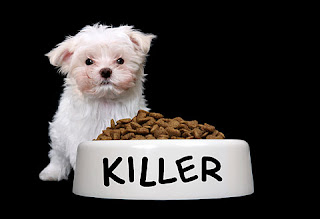
Not all commercial dog foods are killing our dogs - just most of them. Most of these products are woefully deficient in key nutrients and are chock full of toxic rubbish and fillers (like grain) that provide no nutritional benefit to our dogs.


What Is The Best Dog FoodSome of the ingredients hiding behind the laughably inept labeling laws and fuzzy feel good marketing tactics are: Indigestible waste products, colors, dyes, toxins, pesticides, chemicals, harmful preservatives (BHA, BHT and Ethoxyquin) and antibiotics. It doesnt stop there, then youve got a wide range of dead, diseased, disabled or dying animals prior to their visit to the slaughter house added to the mix. You may even find some so called animal "by-products". Basically all of the rubbish that other industries cant or wont use can end up in your dogs dinner bowl. To top it all off any nutrition that is present in this toxic cocktail is then ruined by the cooking processes used.
     
Just imagine if you or I were able to lay all of the contents of a typical commercial dog food product out on a table in front of us. Ive got no doubt we would be at first surprised, then disgusted and angry - have you ever tried to read the label on a can of dog food?


Thankfully not all dog food companies take us for ignorant fools. Some have even realised that we are capable of looking beyond the hype and doing some research of our own - some may even care about our dogs. Andrew Lewis has recently conducted a detailed study into the merits of commercial dog foods. He has now identified 9 brands of commercial dog food that passed his strict criteria and are safe to feed to our dogs. I cant divulge his findings here for copyright reasons (which is fair enough considering that Andrew put in all the time, resources and money to discover the truth). What I can tell you is that I feed two brands of commercial dog food to my dogs - I still do even after reading Andrews special report;). I feed Wellness (a couple of different varieties) and Canidae. You can access Andrews special report here - Dog Food Secrets - Confidential Dog Food Report (Gold Package).
What Is The Best Dog Food 


Raw Dog Food
The raw dog food diet is the growth sector within the dog food marketplace. This category includes the raw food you source and prepare yourself or the pre-made and packaged products like Dr. Billinghursts BARF raw food diet (evolutionary diet), Steves Real Food for dogs and Primal Pet Foods.


What Is The Best Dog FoodRaw dog food is a fairly broad term as there are many variations on this feeding method. The common thread with raw food enthusiasts is that they believe feeding raw is the most natural way to feed a dog. Raw foodies believe that this is the way dogs have successfully evolved and that eating a raw diet is the way nature intended dogs to get their nutrition. The raw food diet is said to replicate how a dog would eat in the wild. A raw dog food diet is sometimes referred to as an "all natural" diet as ingredients are generally free from chemicals, preservatives, additives, by-products and fillers (like worthless grains).


Some raw food proponents love to give big meaty bones and others wont. The same applies with fruit and vegetables - some people say that vegetable matter is a natural part of a wild dogs diet, gathered from the stomach of their prey. The following is an example of the real whole foods that are included in a raw dog food diet. These ingredients are usually organic or all-natural produce: Chicken, lamb, pork, salmon, turkey, kangaroo, rabbit, quail and organ meat. You may also find raw meaty bones and a long list of fresh fruit and vegetables. Plus youll find nutritious ingredients such as eggs, kelp, yogurt, flax seed meal and other supplements. Compare this list to what you read on a commercial dog food label - theres simply no comparison.


What Is The Best Dog Food
Raw foodies argue that a raw food diet provides the enzyme rich nutrients and amino acids in a perfect unaltered state - which is easily digested. They believe that the raw dog food diet leads to fewer visits to the Vet, strengthened immune systems and less allergy and disease. They also point to the over-all health and appearance of their dogs for proof that the raw diet is the right way to go. Raw foodies report increased longevity and reproductive capacity in their dogs. Another benefit of feeding raw is healthy teeth and gums and well developed jaws, neck and shoulder muscles (from all the chewing).


On the other hand detractors of feeding raw focus on the danger of foodborne illness through the threat of bacteria like salmonella and E. coli. Some also say that it is difficult to feed a nutritionally balanced meal the raw way.
 What Is The Best Dog Food 
One tip I would suggest if you are considering the raw feeding option for your dogs is to go out and visit a breeder or friend who already feeds a raw dog food diet. Have a chat with them and take a really good look at their dogs - the health of our dogs is always what matters most.


Homemade Dog Food - Dog Food Recipes
With all the recent news about the dog food recall and associated concerns with commercial dog foods, the homemade dog food option has really come to the fore.
Preparing your dogs meals from scratch has many benefits, including the complete control of all meals served. You know exactly what goes into every meal (and where it was sourced) and you also know that it has been prepared in a clean environment.


What Is The Best Dog FoodIt does take an organized person to set up a homemade feeding plan and then prepare all of the daily meals. The homemade dog food option also comes with the added responsibility of formulating nutritionally balanced meals (proteins, vitamins etc.) and meeting the calorie requirements for your individual dog. If you arm yourself with some good dog food recipes and get into a routine this process is not all that difficult to maintain.


Typical homemade dog meals include big meaty stews, healthy soups, pies, vegetables and maybe some raw bones every now and then.


For hundreds of well thought out and nutritionally balanced dog food recipes check out this resource - Dog Food Secrets. Youll also learn how to calculate the calorie requirements of your dog and discover all of the foods you must avoid feeding. Many dogs who have previously had skin allergies or other common health complaints have thrived when switched over to a good homemade dog food diet.


So? looks like we really cant answer the "What is the best dog food" question for you after all, because that is all up to you all to decide, our suggestion though it that be wise.
Read More..